Amine Rachad

France

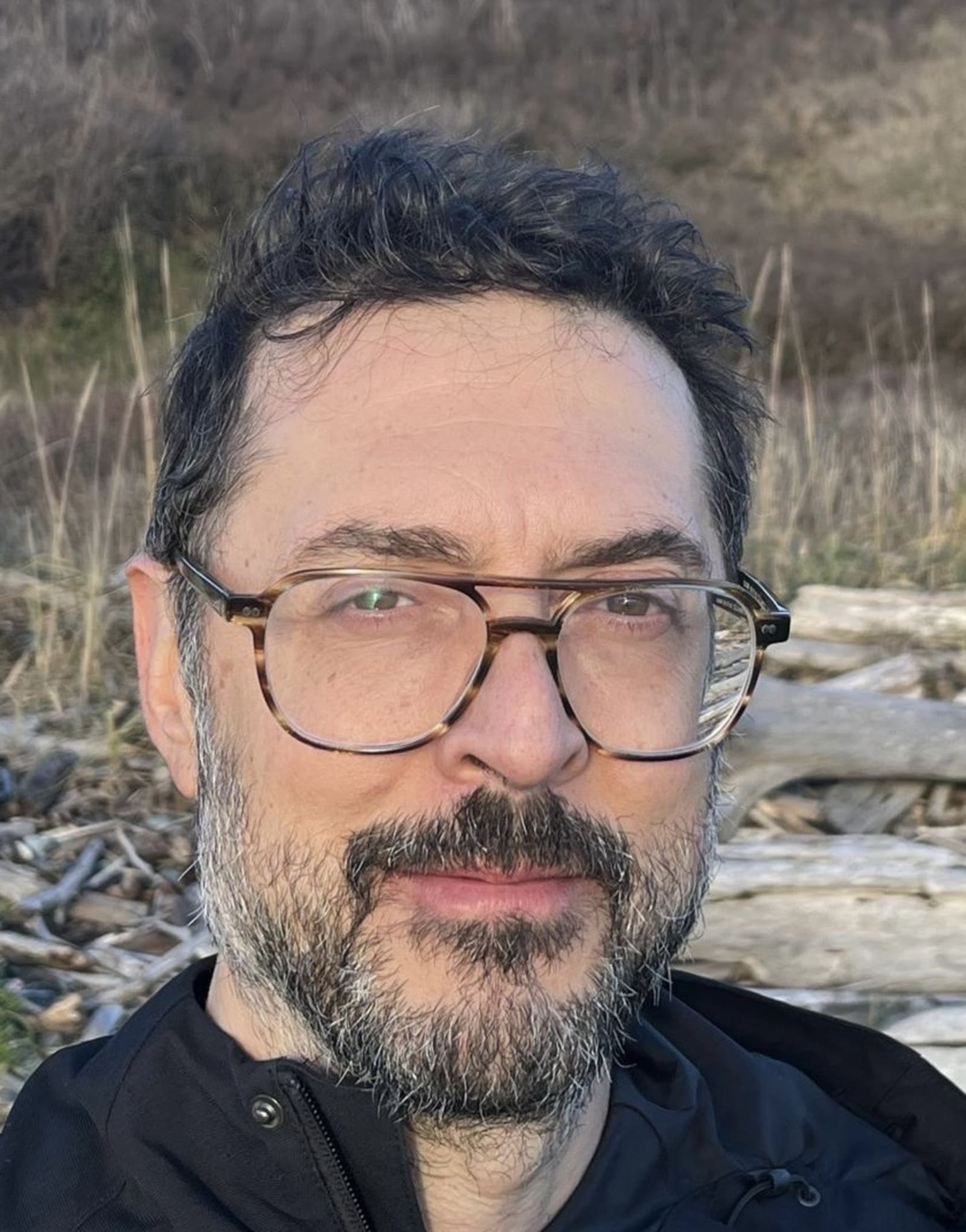
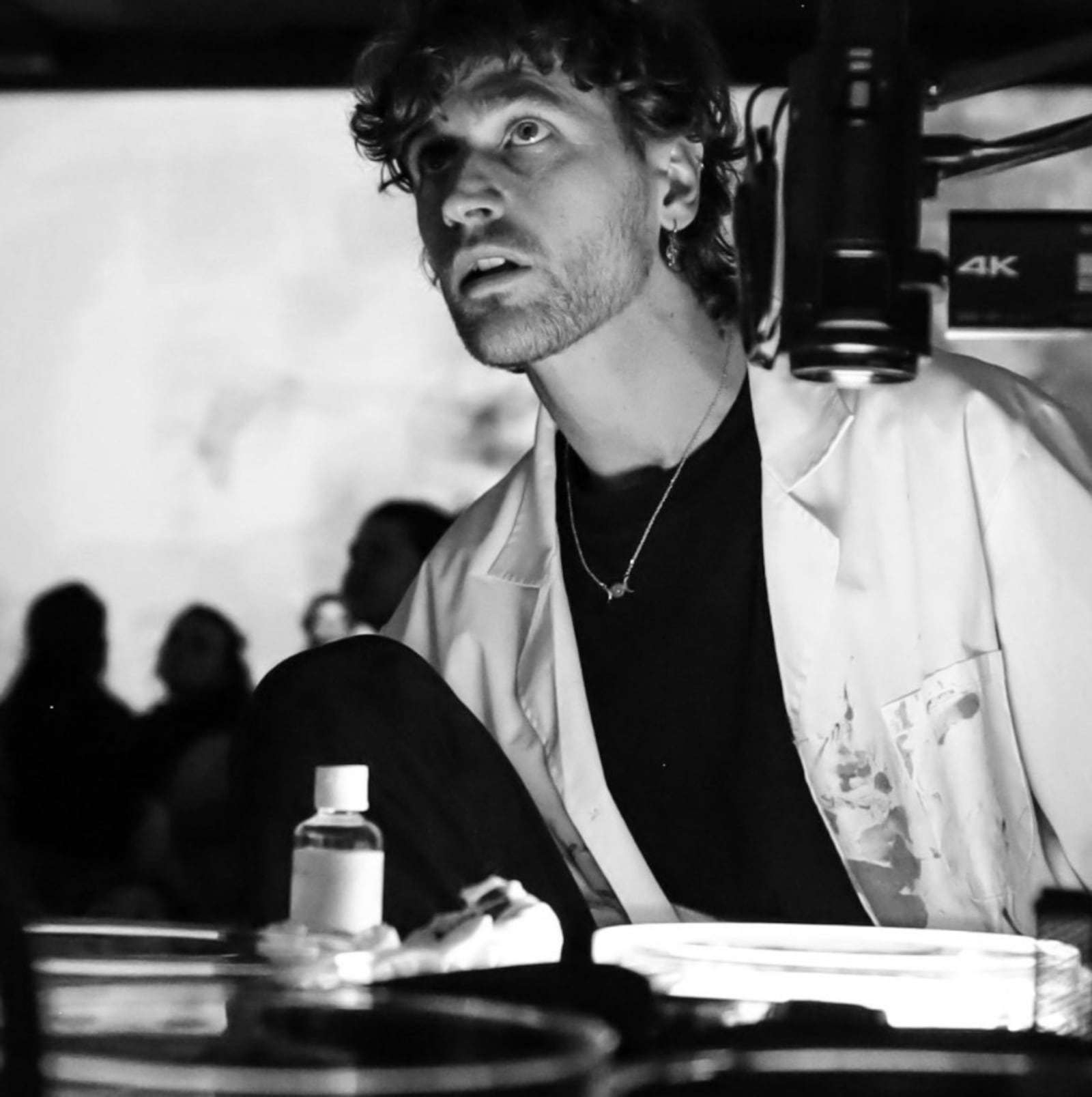
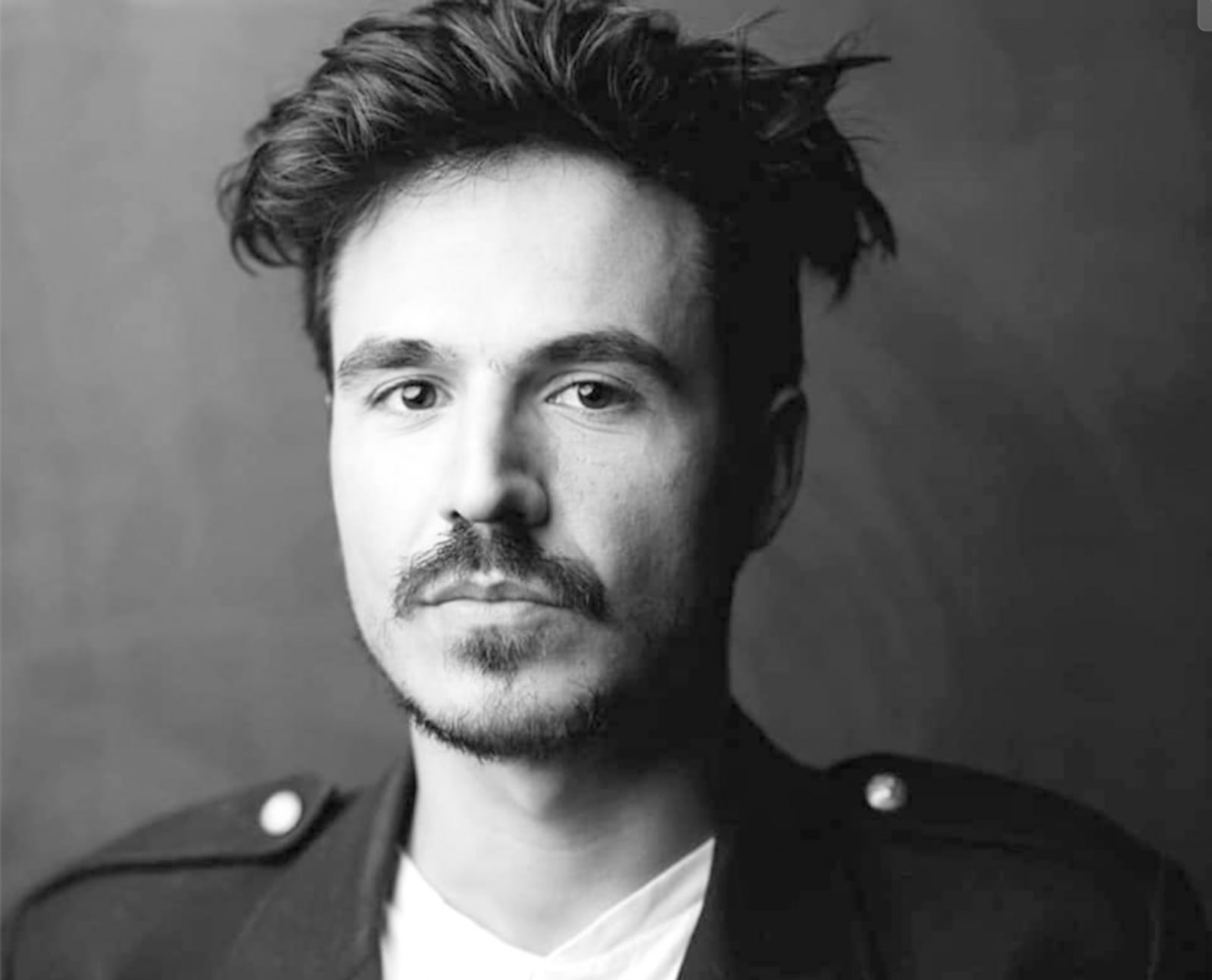
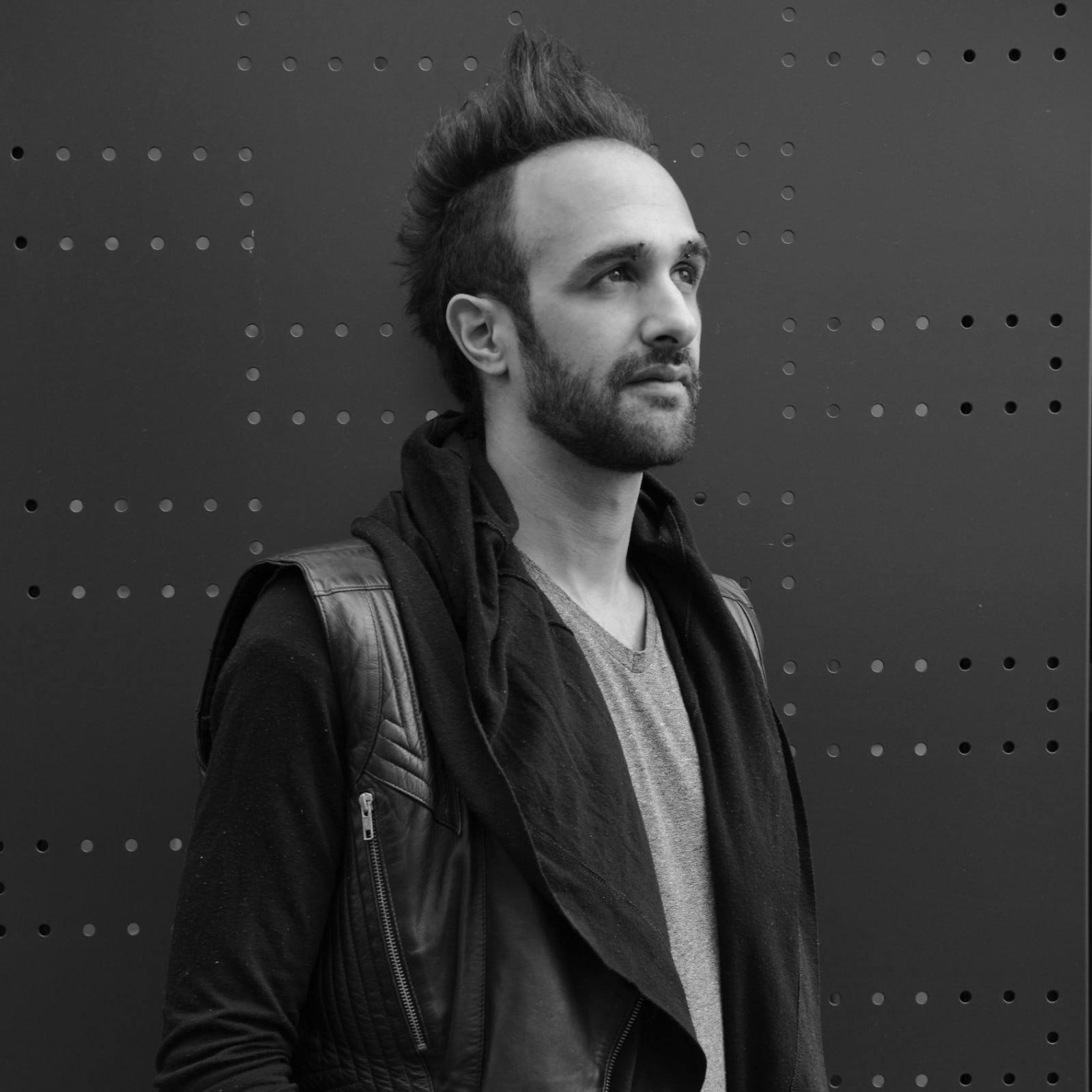
Âme In Love is the artistic persona of Amine Rachad (b. 1979, Casablanca), a singular and revolutionary voice in contemporary digital art. Based in Toulouse, France, where he works from the artist-run space Lieu Commun, he has spent over two decades developing an immersive artistic practice that blends real-time 3D, video mapping, and generative AI. His work is poetic, hypnotic, and contemplative, and draws from the rhythms of daily life, the emotional resonance of both image and sound, and the power of visual storytelling. Deeply inspired by both technological innovation and the human experience, Âme In Love doesn’t follow trends—he creates them, weaving technical precision with artistic freedom and emotional depth to craft dreamlike experiences that invite awe and introspection.

His creative journey has earned international recognition through major commissions that push the boundaries of immersive performance. In 2022, he designed large-scale visual sequences for the Opening Ceremony of the Mediterranean Games in Oran, combining monumental storytelling with digital spectacle. That same year, he reimagined the Arc de Triomphe in Paris through Evolv, a groundbreaking real-time video mapping performance. In 2023, he was commissioned by Lumen Créations to produce “Corps en Lumière” at Lausanne Cathedral—a live audiovisual work using Notch software to create space- and spirituality-themed visuals accompanying a classical concert. The piece received an enthusiastic reception, captivating audiences of all ages and demonstrating the expressive power of real-time generative art. Through every project, Âme In Love continues to redefine what digital art can be: immersive, emotional, and deeply human.

Amine_Rachad_AI.jpeg

In A Frame

In_A_Frame_Amine_Rachad_AI.mp4

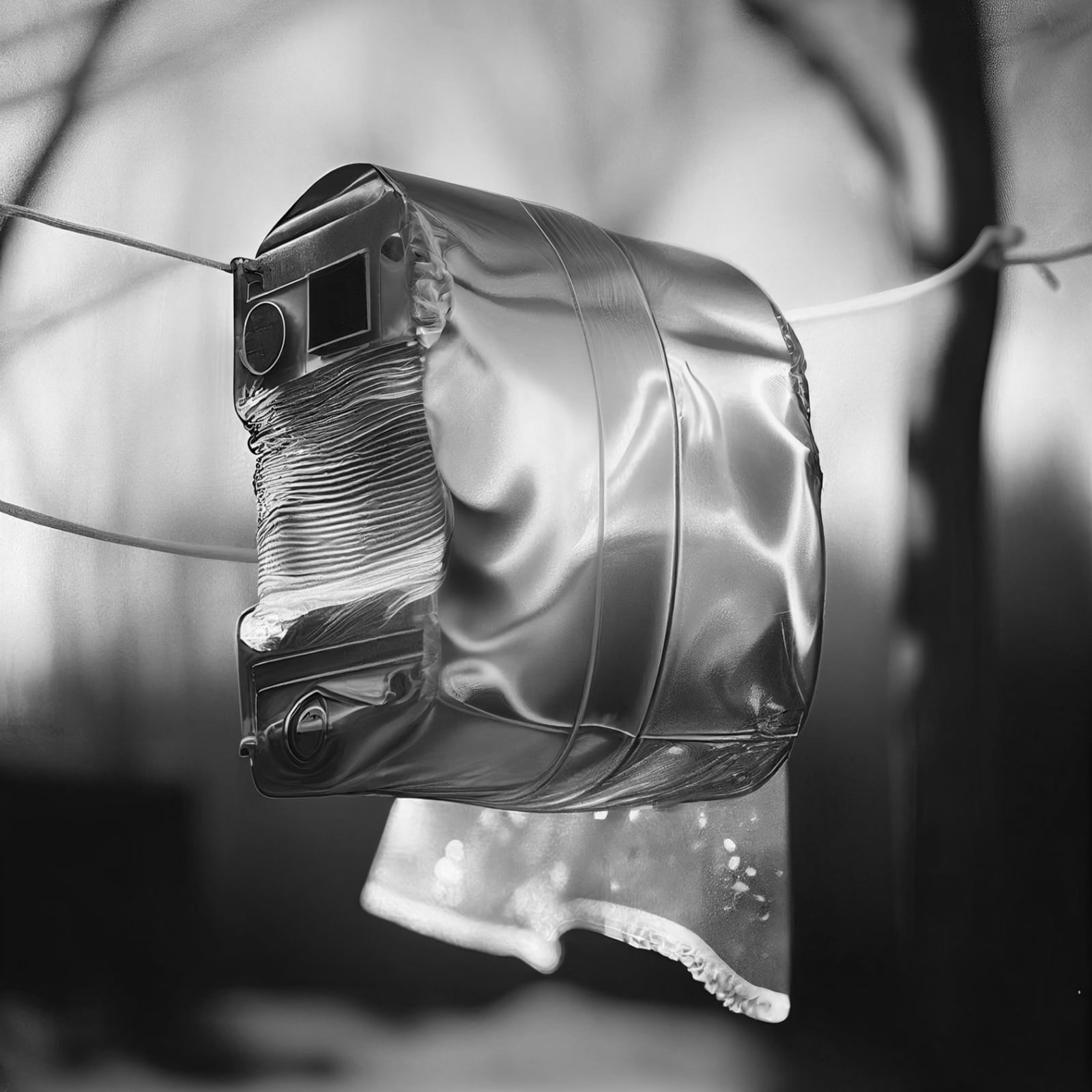
In A Frame is a video creation generated by artificial intelligence. It retraces the main artistic movements from the Renaissance to post-Raphaelism, Realism, Post-Impressionism, Art Deco, Art Nouveau and more. The artist offers a sort of retrospective of the evolution of the major artistic currents through a TV frame imagined by a Renaissance artist.

technique

ai

format

landscape

duration

01:06

year

2023

WANT TO BRING ART INTO YOUR SPACE?

More from Amine Rachad

More on digital art

Generative art
Generative art refers to a way of creating artworks using an autonomous system. In digital art, these are usually generated from code and algorithms created by the artist, often with certain predefined parameters or systems. Although these parameters guide the final outcome of the work, generative art is generally a surprising way to create artworks, as the results are often unexpected and the number of possible outcomes can be infinite.
AI
AI art is a branch of generative art that uses artificial intelligence. Unlike other generative artworks, AI artworks use specific complex algorithms and models derived from machine learning. The most common methods for creating AI art today are GANs (generative adversarial networks) or proprietary prompting platforms such as ChatGPT, Sora, Midjourney, or Dall-e.
3D
3D art uses 3D software such as Blender, Cinema4D, Houdini, or video game software such as Unity to create works of art. In 3D works, artists can either arrange assets (the 'objects' in a 3D artwork or world) that they have created themselves or purchased from other creators to create elaborate environments and scenes (an approach to 3D art called 'set dressing'), or specialize in sculpting, which involves creating their own objects and assets.
Photogrammetry
Photogrammetry is a specialized 3D technique that allows 3D objects to be created from numerous photographs taken of an object or scene from multiple angles. These photos are then compiled to determine the specific positioning, shape, and dimensions of the object in space, and then converted into a 3D model. Initially developed for engineering and urban planning, photogrammetry has become a way for artists to produce extremely accurate 3D models from real-life images.
Collage
An extension of the traditional, plastic approach to collage, digital collage involves searching for and cutting out multiple images, extracting them from their original context, and recomposing them in a new arrangement to create a work of art. Artists can use their own photographs or find images on the internet.
Illustration
Digital illustrations are created using software such as Adobe Illustrator, Photoshop, or Procreate. As with drawing on paper, the artist uses a stylus to sketch a figure or object, usually on a tablet, to construct a scene or artistic universe. Unlike traditional drawing methods, digital illustration is much more forgiving, as mistakes can be easily corrected and drawn elements and objects can be easily moved around within a scene.
Video
Video artworks primarily use a recording camera, but may sometimes include additional post-processing or editing to distort, modify or add additional elements to the image. Some artists use state-of-the-art recording equipment to create macro zoom-ins or time lapses, privileging fidelity to the subject matter. Others use additional softwares to significantly modify or warp the video, creating an alternative perspective on the world that surrounds us.

Collections with the artist

  • Resonance_of_the_Soul_Barış_Varujan_Kabalak_3D.mp4
    Heritage Days
    34 artworks
  • Translucent_Virtual_Nature_Study_Zork_Haiyu_Zheng_3D.mp4
  • +500
    artists
    View more
    +10k
    artworks
    View more

    Where did you scan from

    RATE YOUR EXPERIENCE