Lily's Journey
Lily's Journey
- 3D
- Nature
- Fantasy
- Figurative
- Pop
format
landscape
technique
3d
duration
00:24
year
n/a
Transport

3D
Dynamic
Fantasy
Pop
Bounce - horizontal
Ryan Talbot
3D
Nature
Figurative
Pop
Fantasy
Lily's Journey
Ryan Talbot

3D
Pop
Fantasy
Figurative
Lily's Serenade
Ryan Talbot

Nature
3D
Figurative
Pop
Fantasy
Stargazing
Ryan Talbot

Pop
Figurative
3D
Nature
Still Alive
Ryan Talbot

3D
Fantasy
Pop
Dynamic
Bounce - vertical
Ryan Talbot

3D
Nature
Figurative
Rebirth
Ryan Talbot

3D
Fantasy
Dynamic
Pop
Turbo Tank - horizontal
Ryan Talbot
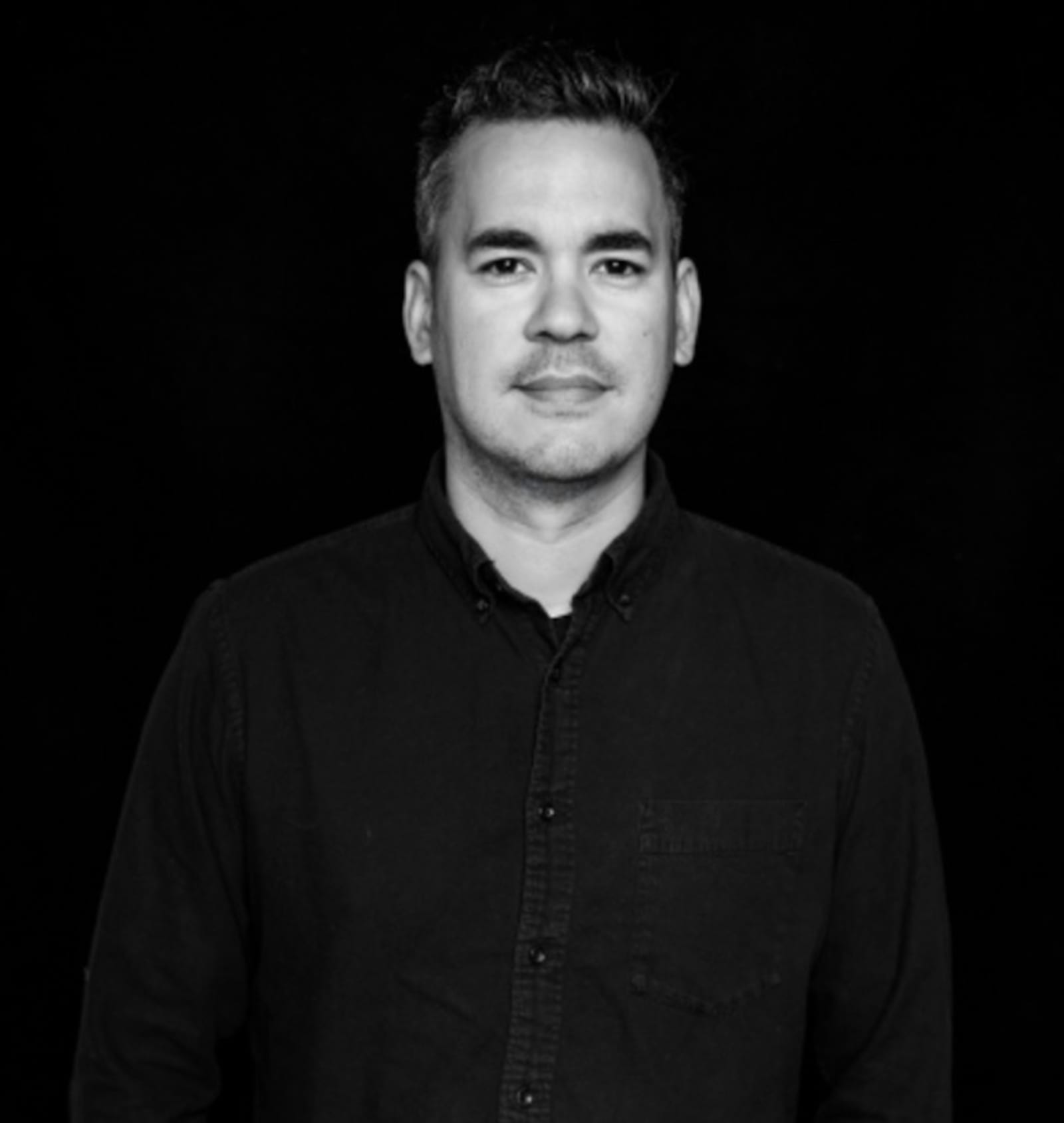
Ryan Talbot is a contemporary 3D artist who grew up in Southern California. He has worked with many brands over the years, including Nickelodeon, Nissan, New Balance, Lil Nas X, America’s Got Talent, Western Digital, Star Trek and many more. He won the Australia’s Got Talent Grand Prize in 2019, collaborating with dancer Kristy Sellars on visually interactive dance pieces.
Since 2021, Ryan has moved from working with customers to selling his personal artwork as an NFT. His current series focuses on fantasy robots and their perspective on the universe, often on a micro scale. In this universe, the adorable and friendly robot characters interact with each other and with their natural environment, which raises the question of the relationship between technology and nature. Talbot’s favorite tool is currently Cinema4D, and he hopes one day to write and make a feature film. In his spare time, you may find him taking his dog to the park or preparing a good bowl of Udon.
Since 2021, Ryan has moved from working with customers to selling his personal artwork as an NFT. His current series focuses on fantasy robots and their perspective on the universe, often on a micro scale. In this universe, the adorable and friendly robot characters interact with each other and with their natural environment, which raises the question of the relationship between technology and nature. Talbot’s favorite tool is currently Cinema4D, and he hopes one day to write and make a feature film. In his spare time, you may find him taking his dog to the park or preparing a good bowl of Udon.

Lily's Journey
After the release of Shelter (collected by the famous NFT art collector, Paddy Stash), I decided to continue building a world around my cute and mechanical characters. The weather is an endless river, and for a short while we can enjoy the trip.
Shelter and Lily’s Journey will be part of the larger Shelter universe (working title). My goal is to create a short film around these characters.
Shelter and Lily’s Journey will be part of the larger Shelter universe (working title). My goal is to create a short film around these characters.
technique
3d
format
landscape
duration
00:24
year
n/a
Transport
More from Ryan Talbot
More on digital art
Generative art
Generative art refers to a way of creating artworks using an autonomous system. In digital art, these are usually generated from code and algorithms created by the artist, often with certain predefined parameters or systems. Although these parameters guide the final outcome of the work, generative art is generally a surprising way to create artworks, as the results are often unexpected and the number of possible outcomes can be infinite.
AI
AI art is a branch of generative art that uses artificial intelligence. Unlike other generative artworks, AI artworks use specific complex algorithms and models derived from machine learning. The most common methods for creating AI art today are GANs (generative adversarial networks) or proprietary prompting platforms such as ChatGPT, Sora, Midjourney, or Dall-e.
3D
3D art uses 3D software such as Blender, Cinema4D, Houdini, or video game software such as Unity to create works of art. In 3D works, artists can either arrange assets (the 'objects' in a 3D artwork or world) that they have created themselves or purchased from other creators to create elaborate environments and scenes (an approach to 3D art called 'set dressing'), or specialize in sculpting, which involves creating their own objects and assets.
Photogrammetry
Photogrammetry is a specialized 3D technique that allows 3D objects to be created from numerous photographs taken of an object or scene from multiple angles. These photos are then compiled to determine the specific positioning, shape, and dimensions of the object in space, and then converted into a 3D model. Initially developed for engineering and urban planning, photogrammetry has become a way for artists to produce extremely accurate 3D models from real-life images.
Collage
An extension of the traditional, plastic approach to collage, digital collage involves searching for and cutting out multiple images, extracting them from their original context, and recomposing them in a new arrangement to create a work of art. Artists can use their own photographs or find images on the internet.
Illustration
Digital illustrations are created using software such as Adobe Illustrator, Photoshop, or Procreate. As with drawing on paper, the artist uses a stylus to sketch a figure or object, usually on a tablet, to construct a scene or artistic universe. Unlike traditional drawing methods, digital illustration is much more forgiving, as mistakes can be easily corrected and drawn elements and objects can be easily moved around within a scene.
Video
Video artworks primarily use a recording camera, but may sometimes include additional post-processing or editing to distort, modify or add additional elements to the image. Some artists use state-of-the-art recording equipment to create macro zoom-ins or time lapses, privileging fidelity to the subject matter. Others use additional softwares to significantly modify or warp the video, creating an alternative perspective on the world that surrounds us.
Collections with the artist

Visualising Music
39 artworks

No Planet XYZ
40 artworks

Stronger together
36 artworks
Robotics
15 artworks

Sports & Dynamic movement...
188 artworks

Memento
88 artworks

I Love You
48 artworks

Video Games
50 artworks

Mechanical Beauty
40 artworks

Into the Night
63 artworks

Insect Visions
46 artworks

Absolute Red
67 artworks

Parallel Realms
94 artworks