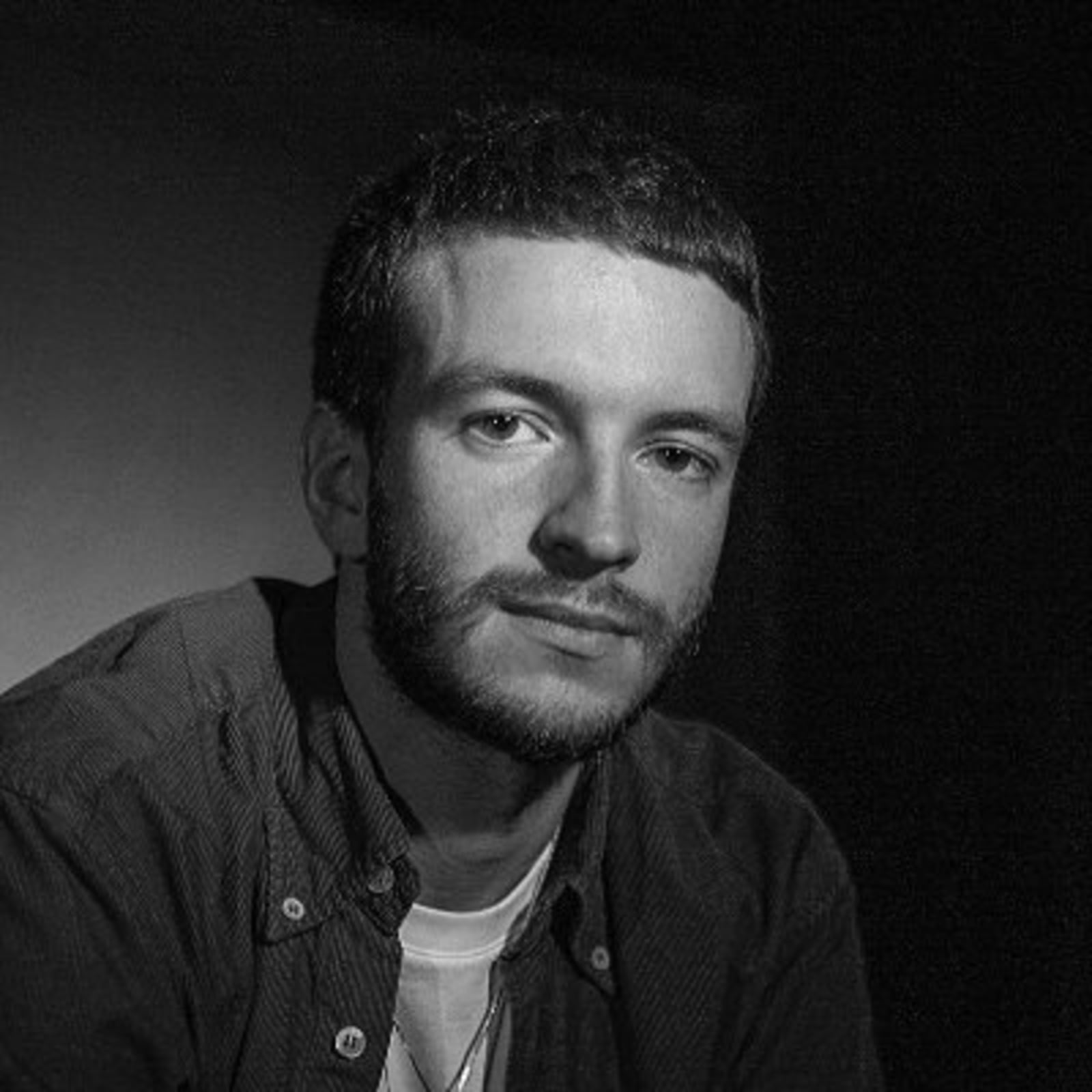
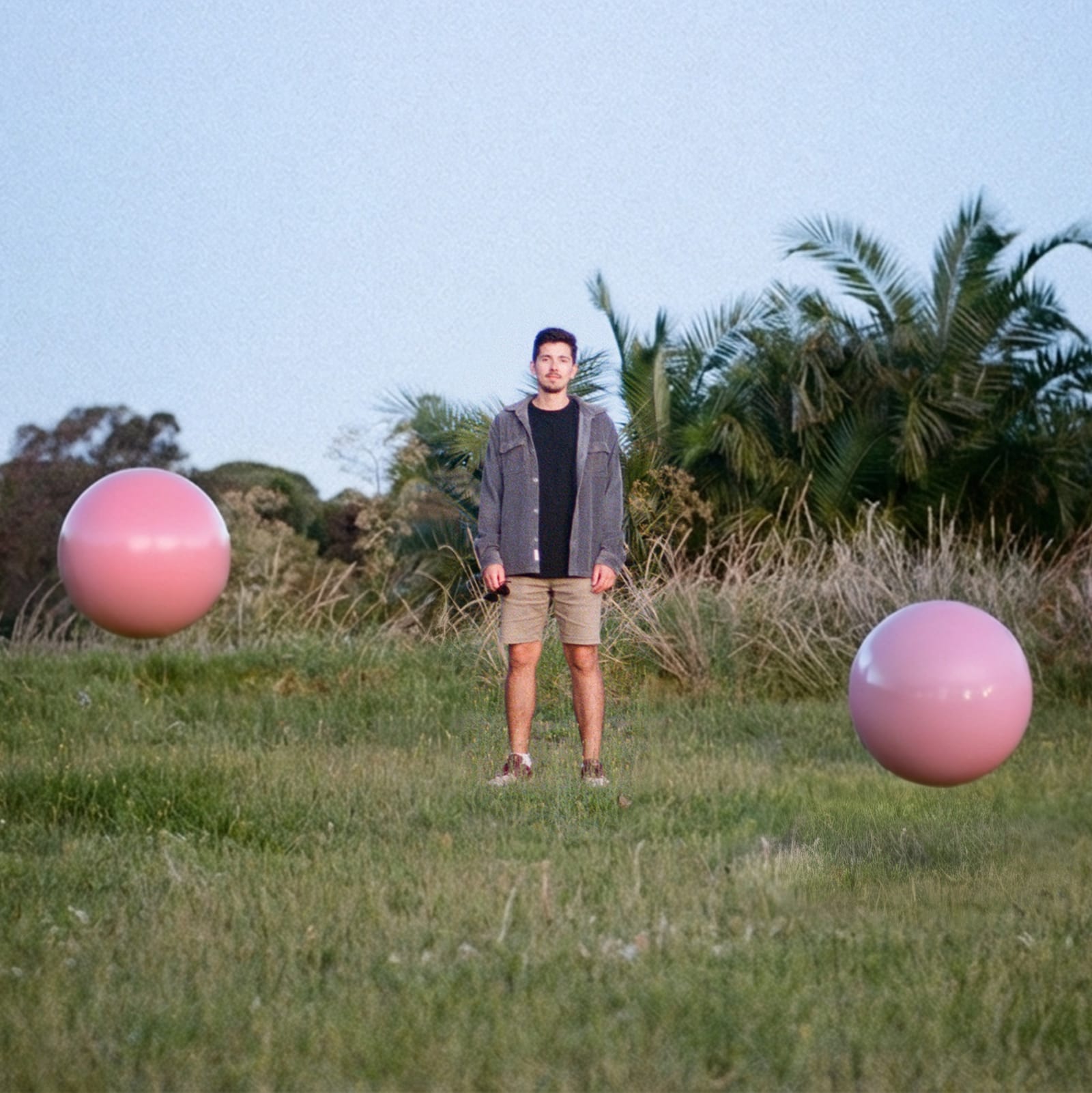
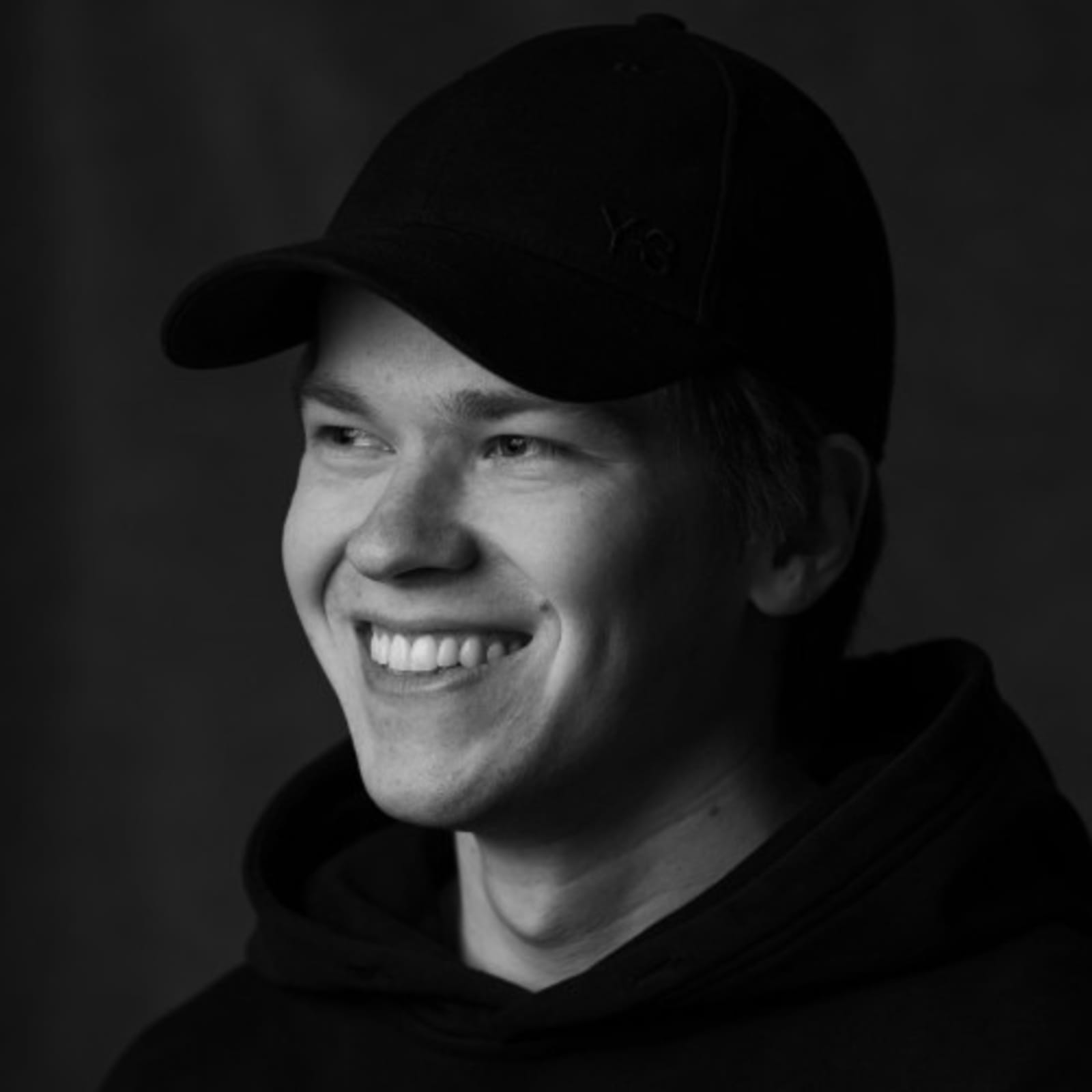
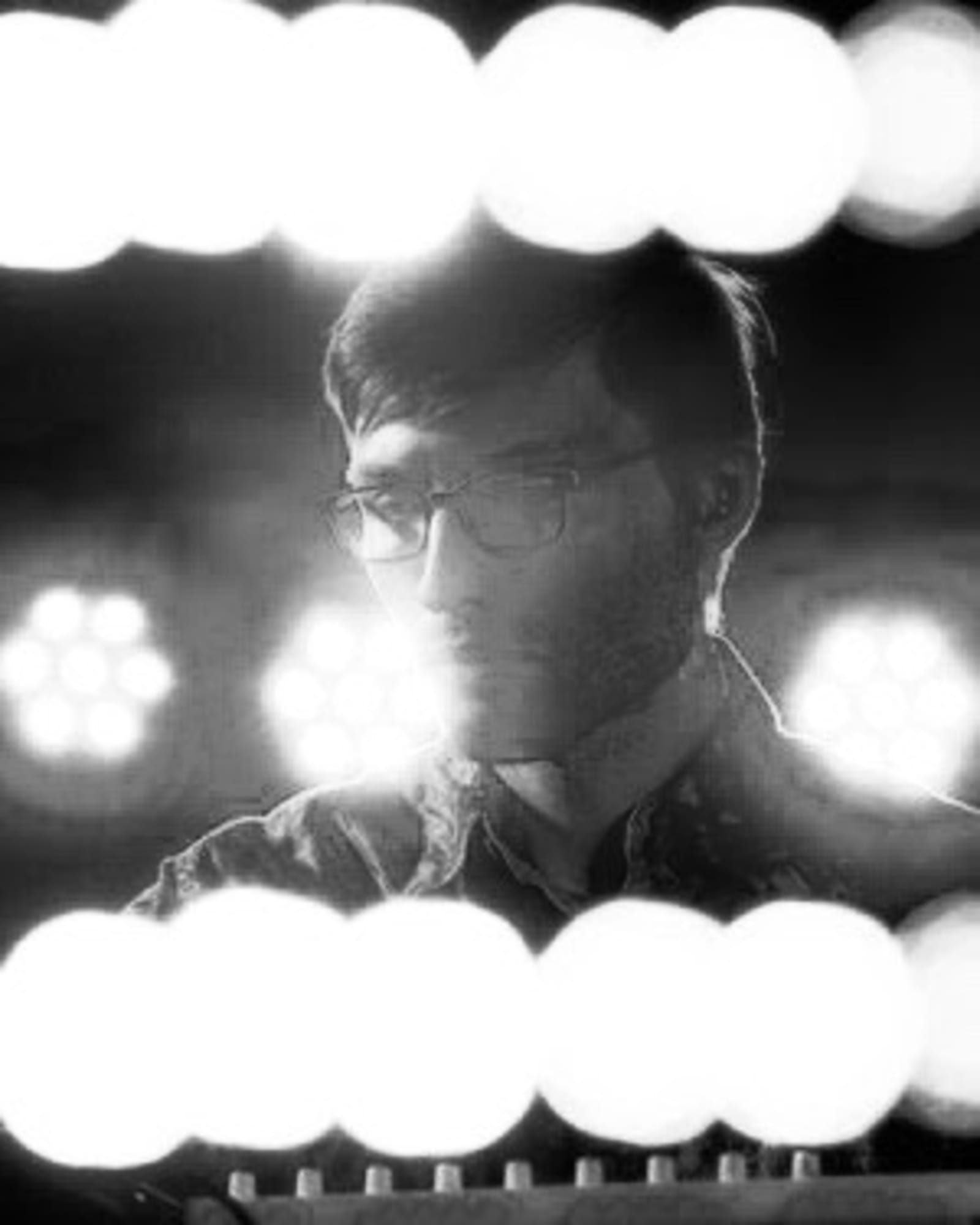
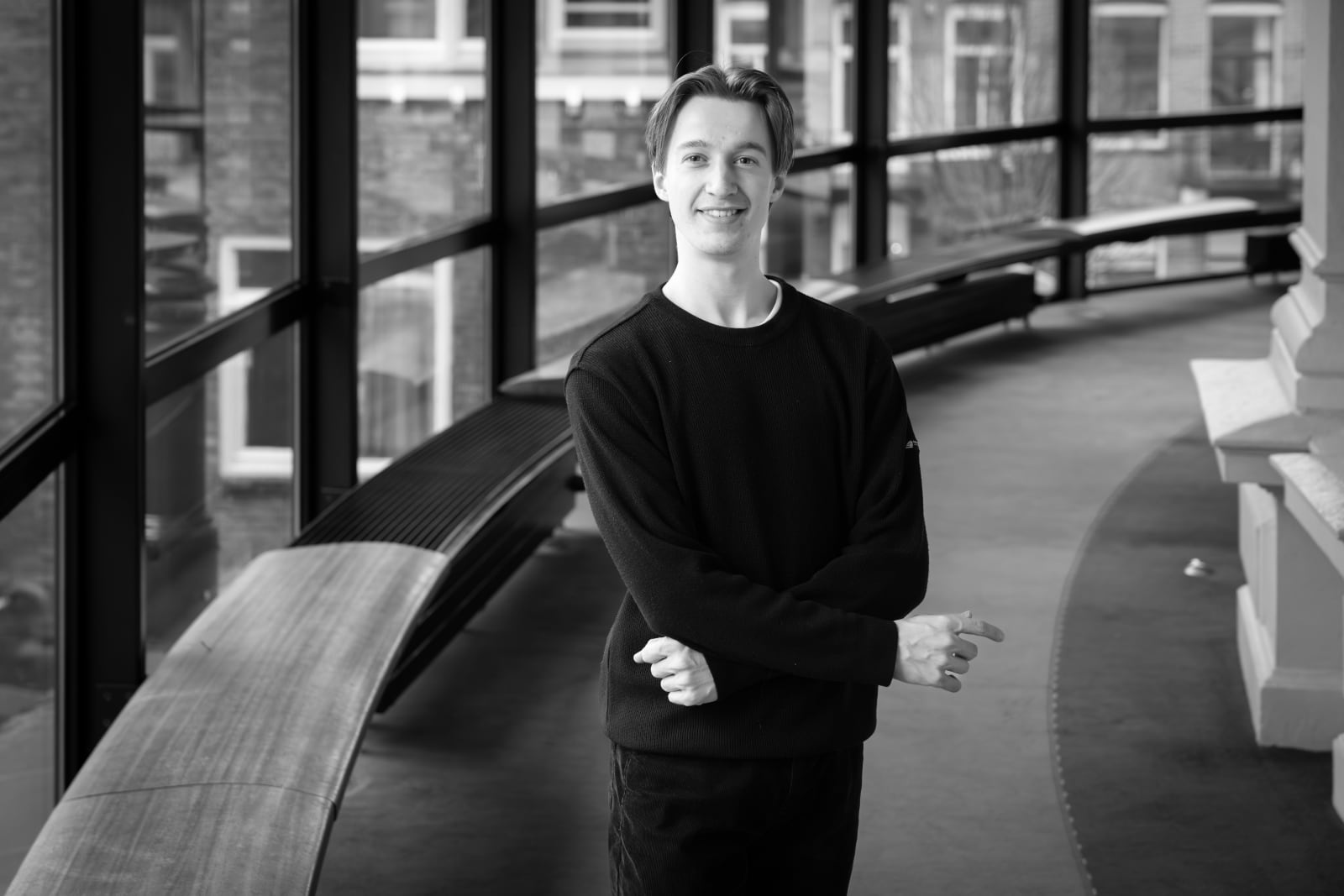
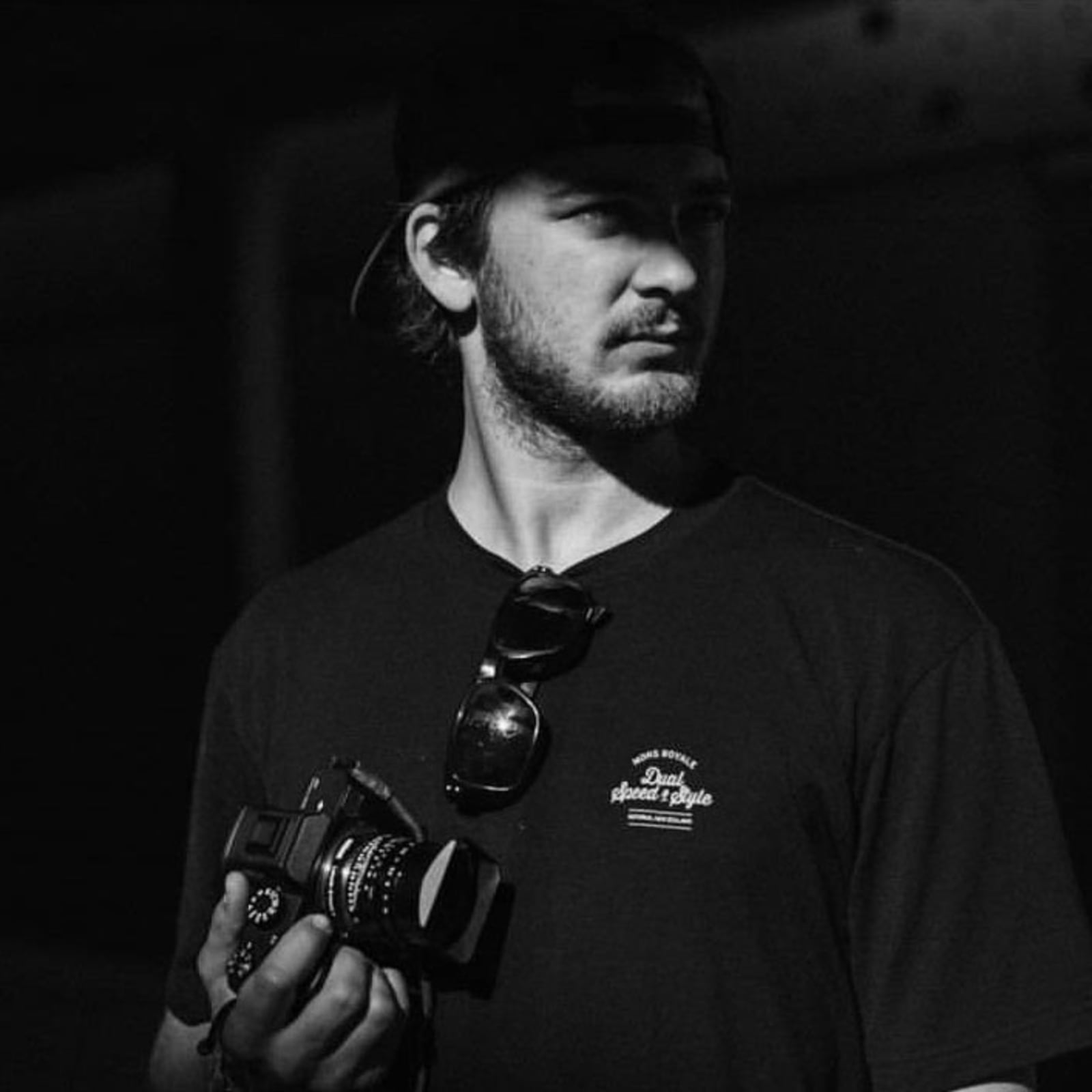
It all began for Jules Langeard at age 16, when a friend asked him to take his picture for a mountain biking magazine: those photos, published in Mountain Bike Magazine, sparked a passion for visual storytelling that has stayed with him ever since. With over ten years of experience behind the lens, he has developed dual expertise as a photographer and videographer, which he leverages to bring genuine expertise in content strategy. His training, gained entirely through hands-on experience, has led him to work in fields as diverse as outdoor action sports, luxury, documentary, travel, and publishing. Based in France and available worldwide, he has made a name for himself on social media thanks to his hypnotic loops of skateboarders and cyclists, in which he deliberately taps into the psychological mechanisms of attention-grabbing, drawing on growth hacking techniques. “The main focus of my work is to grab your attention and encourage you to take a closer look,” he explains, advocating an approach where what sets content creators apart lies above all in the story they tell, in a world saturated with images that are quickly consumed and just as quickly forgotten. He draws inspiration from marketing figures such as Ryan Holiday as well as digital artists like Pablo Rochat and Ari Fararooy, not to mention the historical influence of photographer Henri Cartier-Bresson. He advocates a fusion of classical visual culture and contemporary approaches to digital attention, which, in his own words, allows him to create work that can adapt to any medium while still standing out within it.

Jules Langeard has put his skills as a visual storyteller to work for major international brands across a variety of sectors, including Porsche, Richard Mille, and Honda, as well as Red Bull, Air France Magazine, L’Équipe Magazine, and HEXIS, demonstrating his ability to adapt his visual language to the specific requirements of each organization.

Jules_Langeard_Video.jpg

Castor & Pollux

Castor__Pollux_Jules_Langeard_Video.mp4
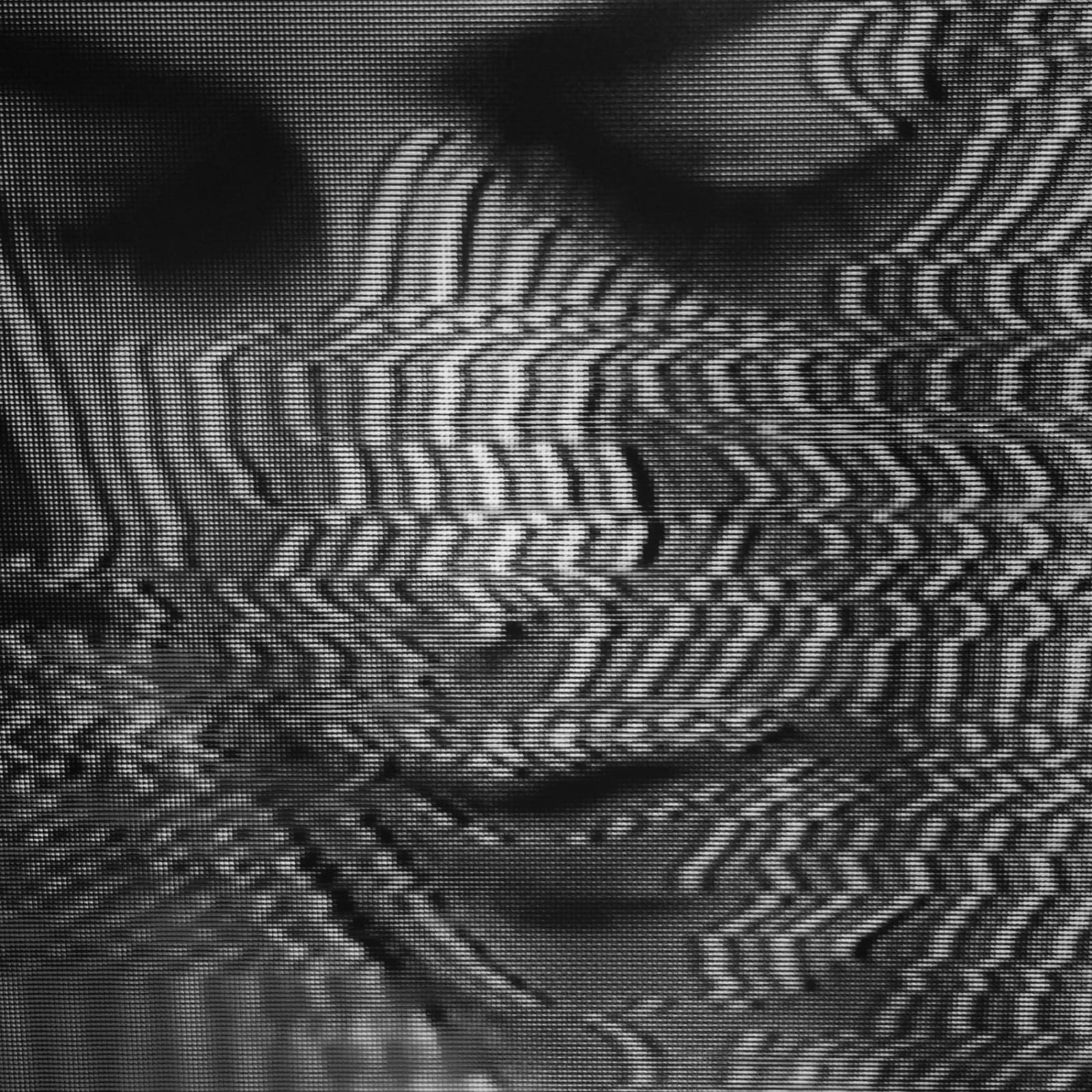
In Jules Langeard's captivating digital loop, "Castor & Pollux," a solitary MTB rider embarks on a mesmerizing journey of self-reflection and duality. The artwork, named after the twin deities of Greek mythology, symbolizes the rider's encounter with their mirrored image, a captivating visual metaphor for the internal struggle between one's true self and the persona projected to the world.
technique

video

format

portrait

duration

04:55

year

2023

Transport

WANT TO BRING ART INTO YOUR SPACE?

More from Jules Langeard

More on digital art

Generative art
Generative art refers to a way of creating artworks using an autonomous system. In digital art, these are usually generated from code and algorithms created by the artist, often with certain predefined parameters or systems. Although these parameters guide the final outcome of the work, generative art is generally a surprising way to create artworks, as the results are often unexpected and the number of possible outcomes can be infinite.
AI
AI art is a branch of generative art that uses artificial intelligence. Unlike other generative artworks, AI artworks use specific complex algorithms and models derived from machine learning. The most common methods for creating AI art today are GANs (generative adversarial networks) or proprietary prompting platforms such as ChatGPT, Sora, Midjourney, or Dall-e.
3D
3D art uses 3D software such as Blender, Cinema4D, Houdini, or video game software such as Unity to create works of art. In 3D works, artists can either arrange assets (the 'objects' in a 3D artwork or world) that they have created themselves or purchased from other creators to create elaborate environments and scenes (an approach to 3D art called 'set dressing'), or specialize in sculpting, which involves creating their own objects and assets.
Photogrammetry
Photogrammetry is a specialized 3D technique that allows 3D objects to be created from numerous photographs taken of an object or scene from multiple angles. These photos are then compiled to determine the specific positioning, shape, and dimensions of the object in space, and then converted into a 3D model. Initially developed for engineering and urban planning, photogrammetry has become a way for artists to produce extremely accurate 3D models from real-life images.
Collage
An extension of the traditional, plastic approach to collage, digital collage involves searching for and cutting out multiple images, extracting them from their original context, and recomposing them in a new arrangement to create a work of art. Artists can use their own photographs or find images on the internet.
Illustration
Digital illustrations are created using software such as Adobe Illustrator, Photoshop, or Procreate. As with drawing on paper, the artist uses a stylus to sketch a figure or object, usually on a tablet, to construct a scene or artistic universe. Unlike traditional drawing methods, digital illustration is much more forgiving, as mistakes can be easily corrected and drawn elements and objects can be easily moved around within a scene.
Video
Video artworks primarily use a recording camera, but may sometimes include additional post-processing or editing to distort, modify or add additional elements to the image. Some artists use state-of-the-art recording equipment to create macro zoom-ins or time lapses, privileging fidelity to the subject matter. Others use additional softwares to significantly modify or warp the video, creating an alternative perspective on the world that surrounds us.

Collections with the artist

  • Skyline_42_Enzo_Roff_Video.mov
    Blue Reverie
    98 artworks
  • Sunset_Vibes__Stéphanie_Varela_Video.mp4
  • The_Chase_Mikhail_Parkhomenka_Video.mp4
  • Materia_-_horizontal_Anxo_Vizcaíno_3D.mp4
  • Ballers_-_vertical_Samuel_Péloponèse_3D.mp4
  • Into_The_Abyss_Jessica_Avarello_3D.mp4
  • Biomechanica_Nikolai_Fletcher_Illustration.mp4
  • Human_Flux_Jérôme_Delapierre_Video.mp4
  • Deepest_Emeralds_Jeremy_Seeman_3D.mp4
  • Where did you scan from

    RATE YOUR EXPERIENCE