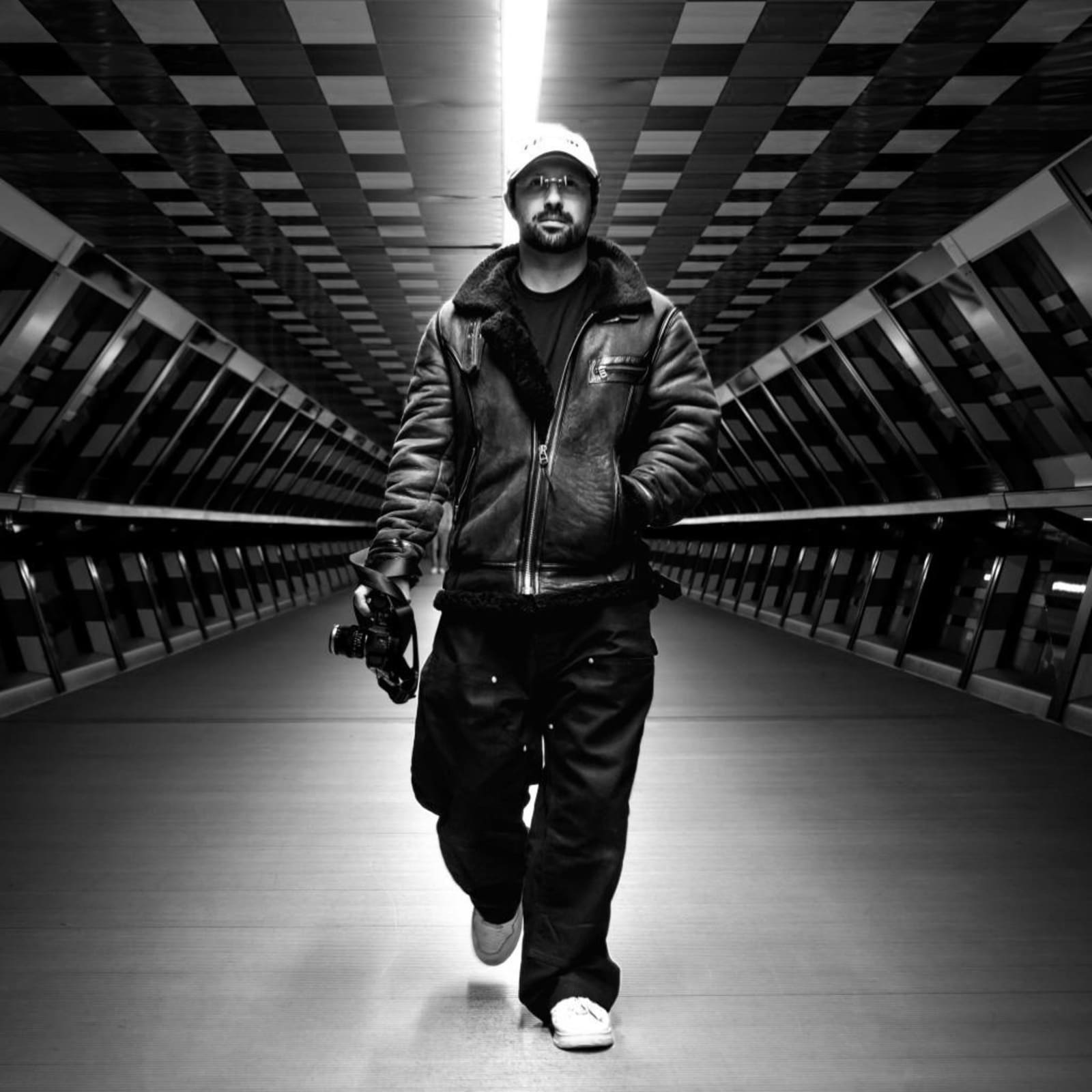
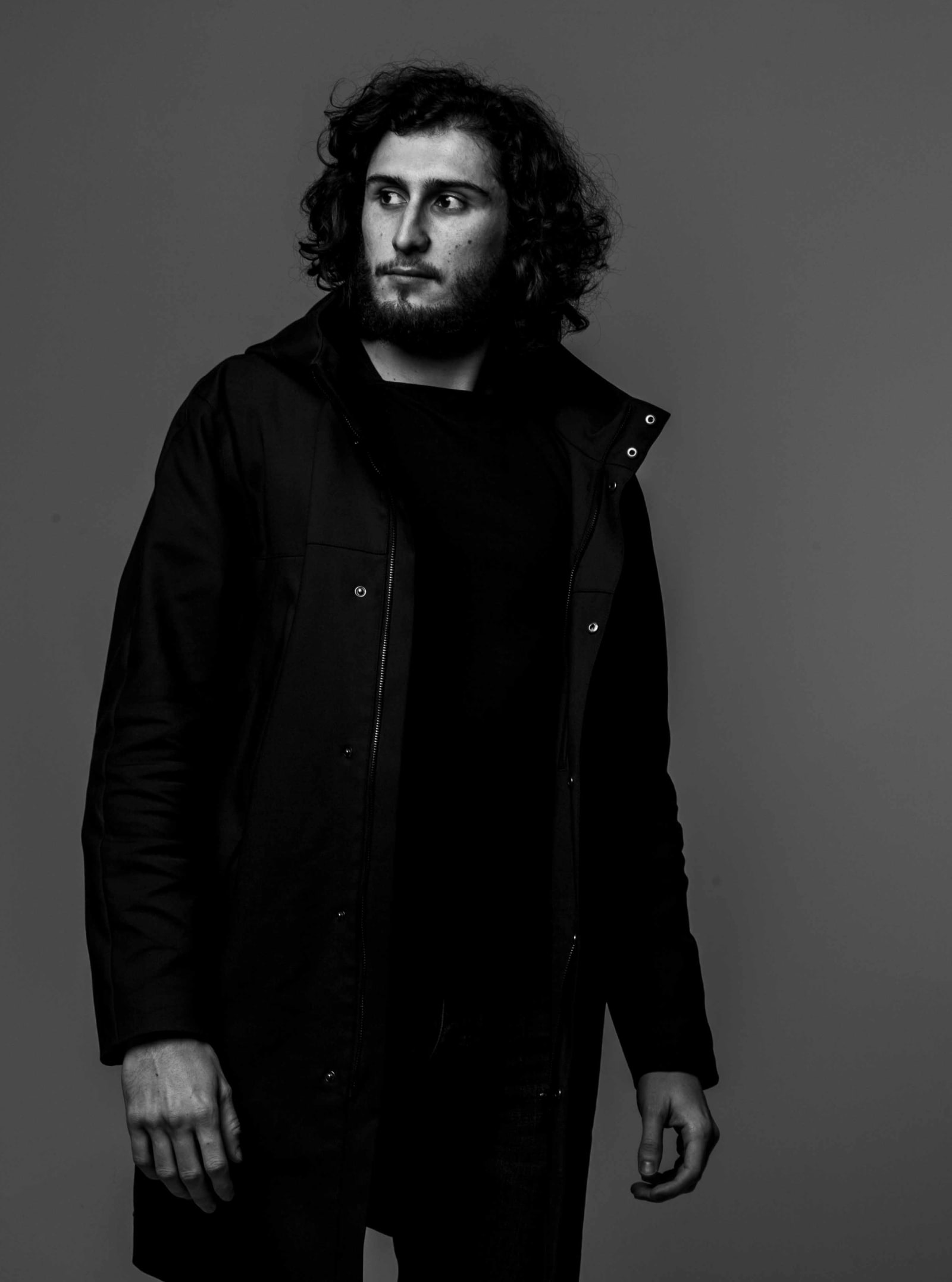
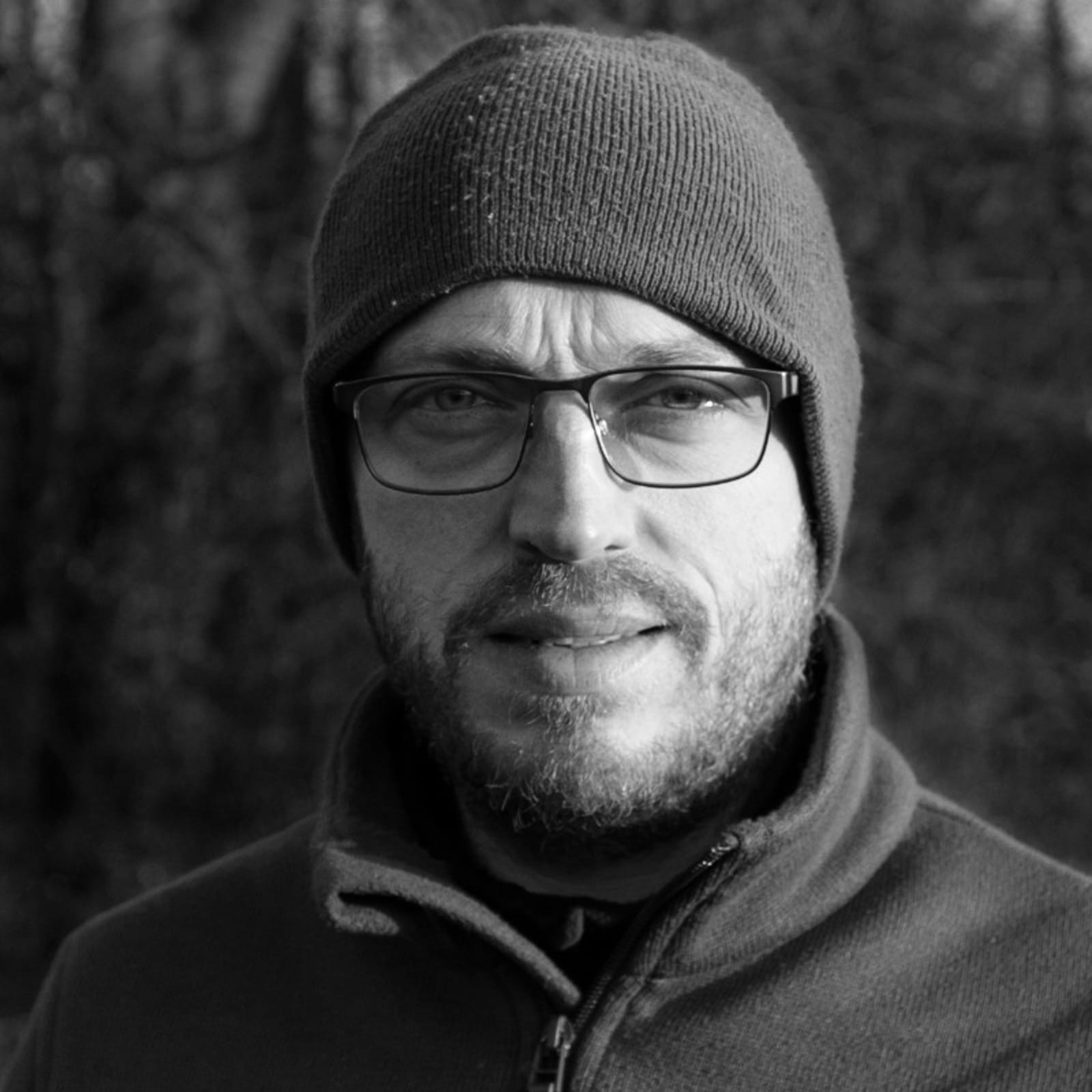
David Lisser

United Kingdom

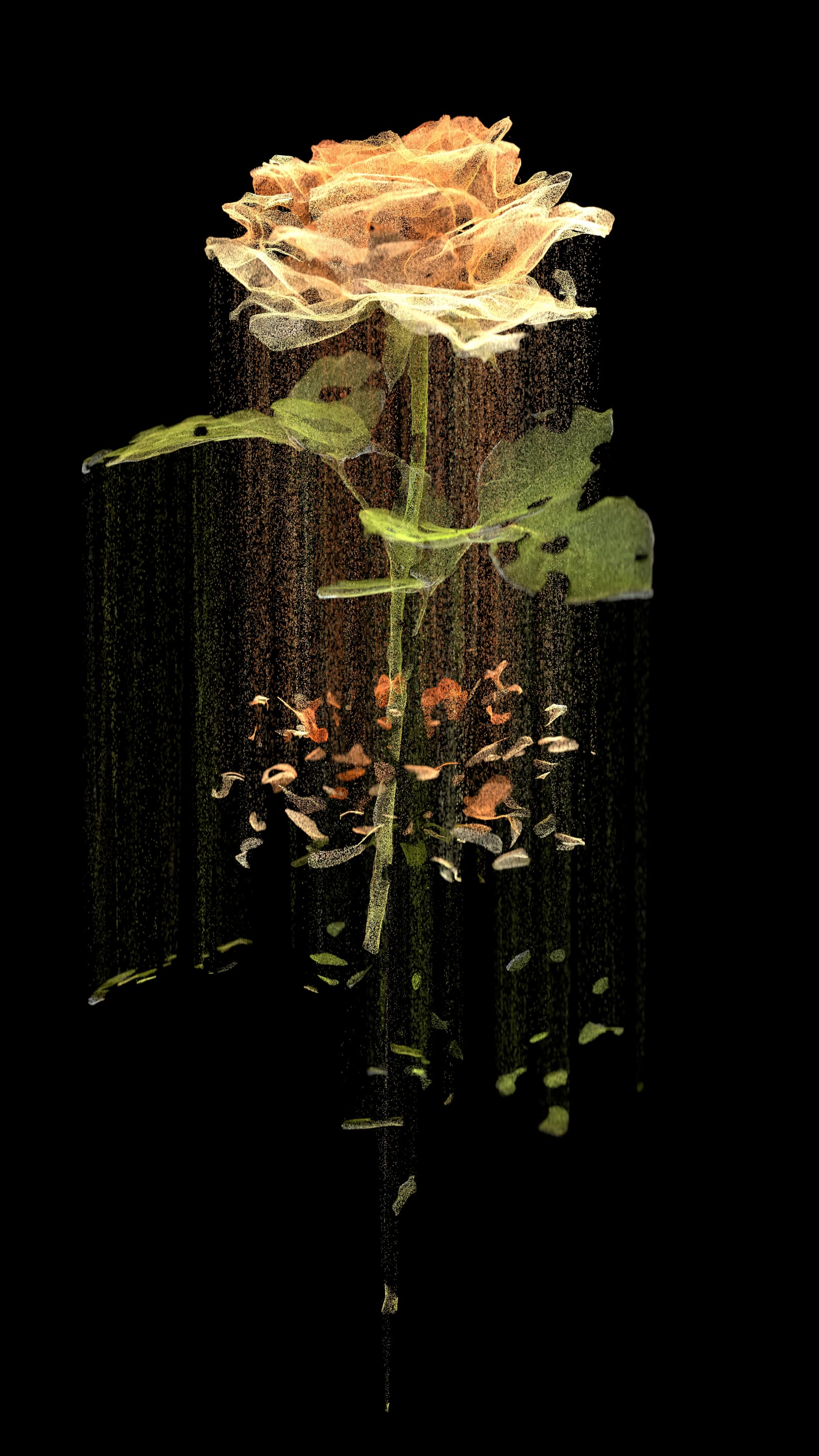
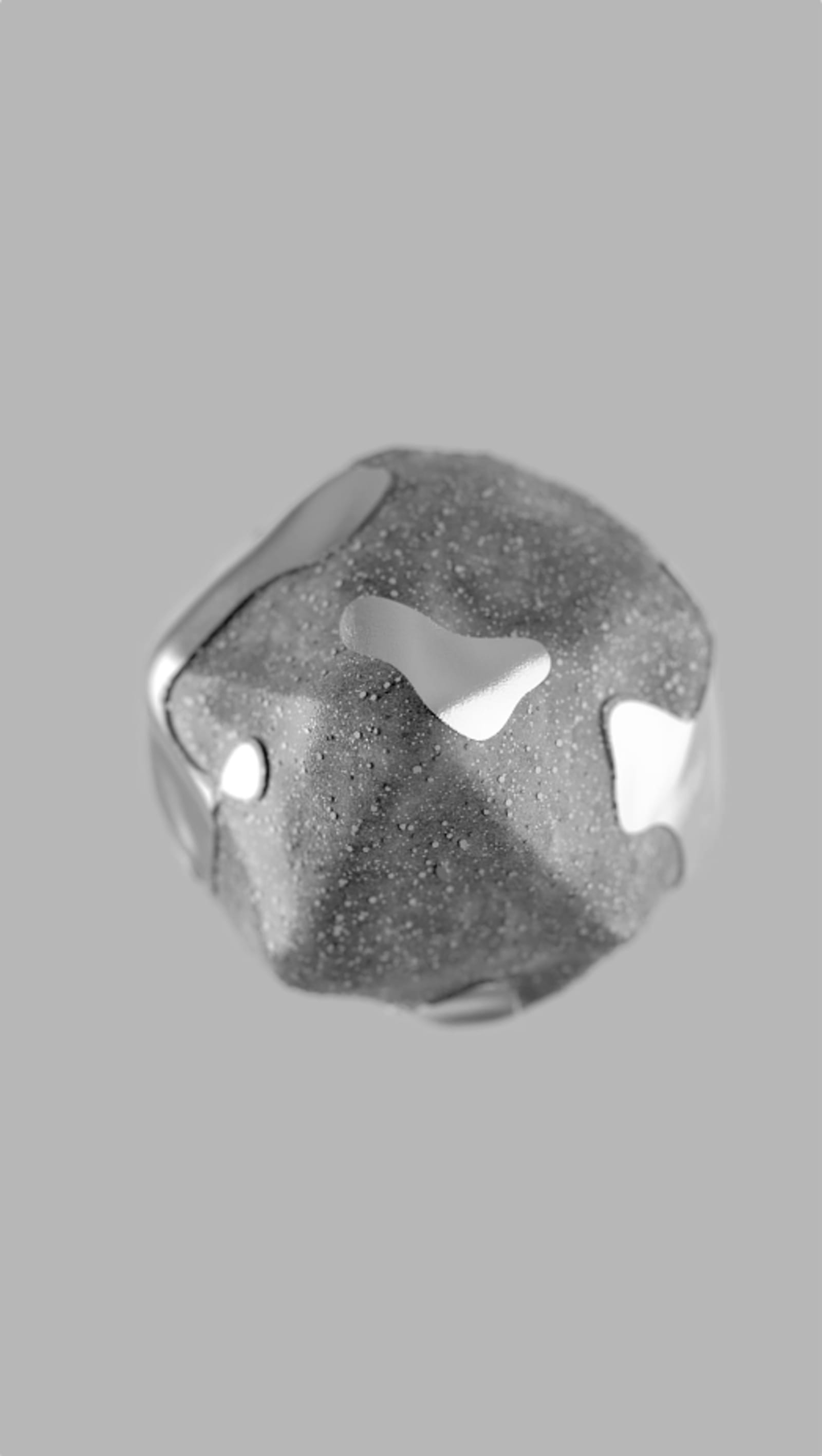
David Lisser is an artist exploring digital and physical simulation, with a focus on 3D scanning and cultured-meat technologies. He makes sculptures, digital renders and short videos that focus on technology, simulation and food. David has a strong interest in the desire to reproduce physical experience, whether that be through photogrammetry and 3D scanning, or ‘artificial’ life and cellular agriculture. In recent years, his work has centred on the technology of cultured-meat, using it as a lens to examine the relationship between simulation, nature, consumption and hope.


When archaeologists examine artefacts, two of the most illuminating subjects they can uncover are the food a society ate, and the technology it used. Food and technology is embedded in ritual, economy, survival and culture - so much information can be extrapolated from a few choice items. In that sense, the artist considers his work to act as artefacts; fragments from potential futures that may point to the kind of society we are becoming.


David_Lisser_Photogrammetry.jpg

Apparatus for keeping hopes afloat

Apparatus_for_keeping_hopes_afloat_David_Lisser_3D.mp4

In this short animation, a modified aerial screw device sits atop an ornate brass table, spinning vanes to cause an upwards draught. Suspended from the ceiling above is a Quantum Computer, adapted to renaissance materials of brass, wood and glass. Between the two, a white feather floats and dips, never quite touching the computer nor falling to the ground.


This piece is about the symbolic hope that technological advancement offers humankind – whether that be flight, incomprehensible computing power, or something altogether more poetic.


Sound by @SigilAudio

technique

3d

format

portrait

duration

00:30

year

2022

WANT TO BRING ART INTO YOUR SPACE?

More from David Lisser

More on digital art

Generative art
Generative art refers to a way of creating artworks using an autonomous system. In digital art, these are usually generated from code and algorithms created by the artist, often with certain predefined parameters or systems. Although these parameters guide the final outcome of the work, generative art is generally a surprising way to create artworks, as the results are often unexpected and the number of possible outcomes can be infinite.
AI
AI art is a branch of generative art that uses artificial intelligence. Unlike other generative artworks, AI artworks use specific complex algorithms and models derived from machine learning. The most common methods for creating AI art today are GANs (generative adversarial networks) or proprietary prompting platforms such as ChatGPT, Sora, Midjourney, or Dall-e.
3D
3D art uses 3D software such as Blender, Cinema4D, Houdini, or video game software such as Unity to create works of art. In 3D works, artists can either arrange assets (the 'objects' in a 3D artwork or world) that they have created themselves or purchased from other creators to create elaborate environments and scenes (an approach to 3D art called 'set dressing'), or specialize in sculpting, which involves creating their own objects and assets.
Photogrammetry
Photogrammetry is a specialized 3D technique that allows 3D objects to be created from numerous photographs taken of an object or scene from multiple angles. These photos are then compiled to determine the specific positioning, shape, and dimensions of the object in space, and then converted into a 3D model. Initially developed for engineering and urban planning, photogrammetry has become a way for artists to produce extremely accurate 3D models from real-life images.
Collage
An extension of the traditional, plastic approach to collage, digital collage involves searching for and cutting out multiple images, extracting them from their original context, and recomposing them in a new arrangement to create a work of art. Artists can use their own photographs or find images on the internet.
Illustration
Digital illustrations are created using software such as Adobe Illustrator, Photoshop, or Procreate. As with drawing on paper, the artist uses a stylus to sketch a figure or object, usually on a tablet, to construct a scene or artistic universe. Unlike traditional drawing methods, digital illustration is much more forgiving, as mistakes can be easily corrected and drawn elements and objects can be easily moved around within a scene.
Video
Video artworks primarily use a recording camera, but may sometimes include additional post-processing or editing to distort, modify or add additional elements to the image. Some artists use state-of-the-art recording equipment to create macro zoom-ins or time lapses, privileging fidelity to the subject matter. Others use additional softwares to significantly modify or warp the video, creating an alternative perspective on the world that surrounds us.

Collections with the artist

  • Firewheel_Mia_Forrest_Video.mp4
    Bloom
    128 artworks
  • From_The_Redwood_Forest_California_Series_Bård_Ionson_Generative_art.mp4
  • Between_the_four_stone_walls_the_echo_sounds_soothing_Yves_Peitzner_Generative_art.mp4
  • Inside_Worlds_1_MiraRuido_Collage.mp4
  • Shared_memories_Benjamin_Bardou_Photogrammetry.mp4
  • Satori_Rothko_s_Serenade_Ilan_Derech_Generative_art.mp4
  • Lighthouse_By_Night_Sophie_Donaj_Illustration.mp4
  • Flower_Double_Red_Alex_McLeod_3D.mp4
  • +500
    artists
    View more
    +10k
    artworks
    View more

    Where did you scan from

    RATE YOUR EXPERIENCE